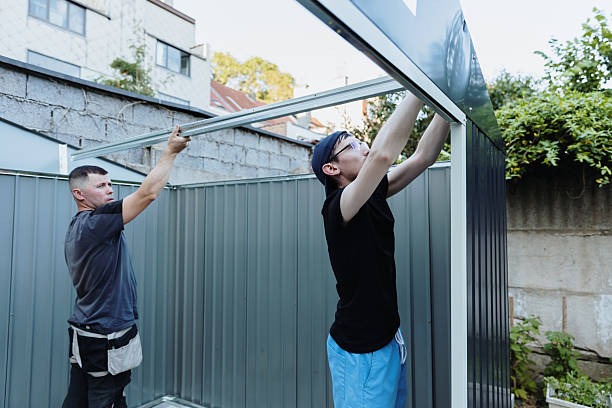
Backyard sheds often bring excitement mixed with quiet worry about local rules. Around Decatur Sheds, conversations often drift toward boundaries and permissions. Zoning rules feel distant until a structure appears in the yard. These rules quietly shape how neighborhoods keep balance and order. Understanding them often comes after curiosity turns into concern.
Residential areas carry shared expectations shaped over many years. Zoning rules exist to protect space light and neighbor relationships. A shed changes sightlines, shadows and sometimes noise patterns. These changes affect more than one property emotionally over time. Rules attempt to hold fairness without constant disputes growing nearby.
Many homeowners feel surprised by how specific zoning details feel. Distance from fences often becomes a common point of tension. Height limits sometimes challenge plans imagined during quiet afternoons. These limits feel personal even though they apply broadly. The shed becomes part of a larger shared environment suddenly.
Permits often carry emotional weight beyond simple paperwork. They represent permission to move forward without fear later. Waiting periods test patience while plans sit unfinished nearby. Approval brings relief that feels heavier than expected emotionally. That feeling lingers as construction finally begins peacefully.
Neighborhoods often differ block by block in expectations. Older areas may carry stricter rules shaped by long history. Newer developments sometimes enforce consistency through clear guidelines. These differences reflect community identity rather than personal restriction alone. Each shed quietly joins that ongoing neighborhood story.
Confusion often arises from informal advice shared between neighbors casually. Stories spread about exceptions that may not apply elsewhere. This uncertainty feeds hesitation and second guessing repeatedly. Clear information calms minds more than assumptions ever could. Peace often comes from knowing where boundaries truly stand.
Zoning rules also protect future homeowners and changing needs. What feels unnecessary today may matter years later unexpectedly. These rules preserve light access drainage and shared comfort levels. A shed built thoughtfully respects those unseen future moments. That respect supports harmony without daily reminders or conflict.
Emotion enters zoning discussions when effort meets resistance. Plans carry hope tied to organization work or creative space. Delays feel personal even when rules remain neutral. Over time patience often replaces frustration through understanding. The shed eventually feels earned rather than simply placed.
Understanding zoning rules shapes confidence long after construction ends. A compliant shed feels settled without lingering worry or doubt. That calm allows focus on daily use and enjoyment. Rules fade into background as routines form naturally. In the end clarity supports peace for everyone nearby.