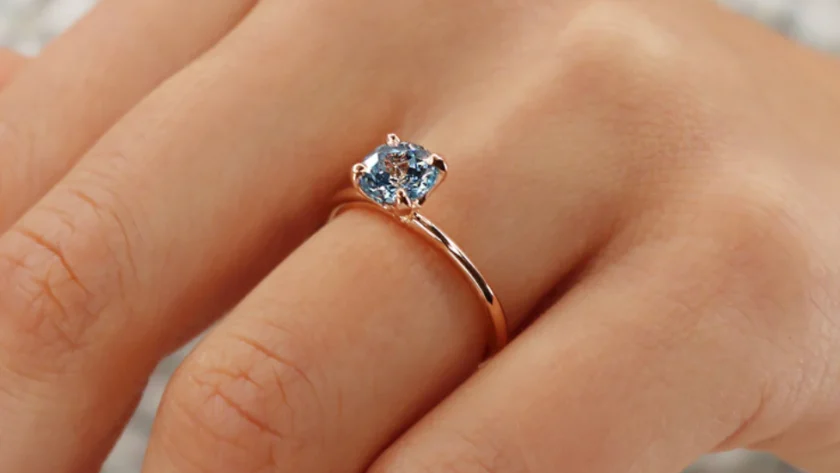
Lily Arkwright engagement rings have become a focal point in conversations about transparency within the modern jewellery market. In an industry that has traditionally relied on mystery, heritage narratives, and limited disclosure, this approach stands out. By placing openness at the centre of its brand philosophy, Lily Arkwright is reshaping how consumers evaluate diamonds, their origins, and their true value.
For decades, the diamond industry has been associated with complex supply chains that are difficult for consumers to fully understand. From mining practices to pricing structures, much of the information has remained behind closed doors. Lily Arkwright challenges this model by openly communicating how its diamonds are sourced, created, and priced. This shift empowers customers to make informed decisions rather than relying solely on brand reputation or tradition.
One of the most significant ways transparency is disrupting the industry is through the promotion of lab grown diamonds. By clearly explaining the process behind these stones, including how they are chemically and visually identical to mined diamonds, Lily Arkwright removes confusion that has long surrounded alternative options. Customers are given straightforward explanations about quality, grading, and longevity, helping to dismantle outdated myths and assumptions.
Ethical considerations also play a major role in this disruption. Transparency allows buyers to understand the environmental and social impact of their purchase. Lily Arkwright highlights how lab grown diamonds reduce the need for large scale mining, limit environmental damage, and avoid the human rights concerns that have historically plagued certain mining regions. This clarity resonates strongly with modern consumers who value responsible luxury over traditional status symbols.
Pricing transparency further distinguishes the brand in a market known for inflated margins and unclear valuation methods. Rather than obscuring costs behind industry jargon, Lily Arkwright provides insight into what influences the price of a ring, including diamond quality, metal choice, and craftsmanship. This honest approach builds trust and shifts the power dynamic, allowing customers to feel confident that they are paying a fair price.
Education is another area where transparency is driving change. Instead of overwhelming customers with technical language, Lily Arkwright focuses on accessible guidance. Detailed explanations of diamond grading, sustainability standards, and design options help demystify the buying process. This educational focus not only improves the customer experience but also raises expectations across the wider industry.
Digital accessibility strengthens this transparent model even further. By presenting detailed product information online, including certification details and design specifications, Lily Arkwright meets consumers where they already shop and research. This level of openness sets a new benchmark, encouraging competitors to rethink how much information they share and how they communicate value.
The ripple effect of this transparency is becoming increasingly visible. As more consumers demand clarity about sourcing, ethics, and pricing, traditional diamond retailers face growing pressure to adapt. Brands that continue to rely on vague assurances and limited disclosure risk losing relevance in a market that prioritises honesty and accountability.
Ultimately, Lily Arkwright’s transparent practices are not just a marketing strategy. They represent a fundamental shift in how diamonds are presented and perceived. By removing secrecy and replacing it with clear, honest communication, the brand is redefining trust in the jewellery industry. This disruption challenges long standing norms and signals a future where informed consumers drive change, pushing the entire diamond sector toward greater openness and responsibility.